
🧞 Everyone will trust Web3: with Ethereum Foundation, BOB, Offchain Labs & Seed Org

Gm and happy Monday frens 🌞
While everyone’s doomscrolling ETF inflows and memecoin rotations, a few structural shifts are quietly rewiring crypto’s foundation:
agentic systems turning wallets into “work accounts,”
RWAs moving from PDFs to programmable collateral,
stablecoins becoming the default global payment rail,
the trust stack (privacy + L2 infra + governance) finally catching up to institutional reality.
These aren’t just trading narratives. They’re the infrastructure layers that decide whether crypto stays a niche casino… or becomes the financial + coordination layer for the next decade.
Today, we break down what’s actually happening, where real demand is going, and what’s still blocking each from going fully mainstream:
🤝 How to make Web3 trustworthy?
🧵 Career paths & social threats
📰 News
🔮 Our First Stop of 2026 Revealed
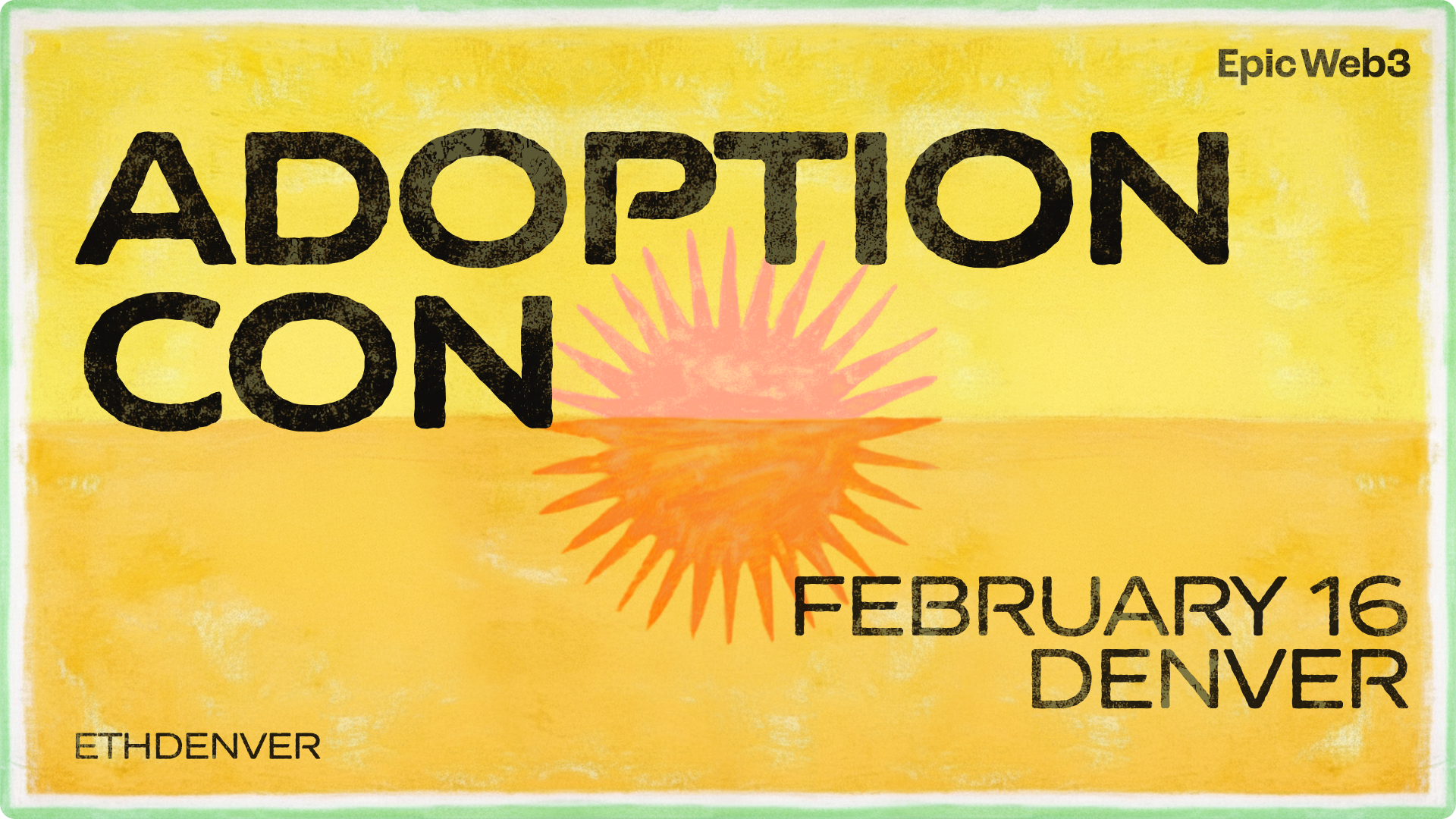
AdoptionCon is back in 2026 — kicking off at ETHDenver as a one-day conference focused on what truly unlocks adoption: privacy-first rails, institutional-grade crypto infrastructure, and agentic economic systems.
Expect 30 top speakers and 500+ attendees diving into what actually matters — sharp keynotes, real debates, immersive experiences, and curated networking — all aimed at turning confidential AI and privacy-first crypto into scalable, institutional-grade systems.
🛠️ Deep-dive: we need to be neutral
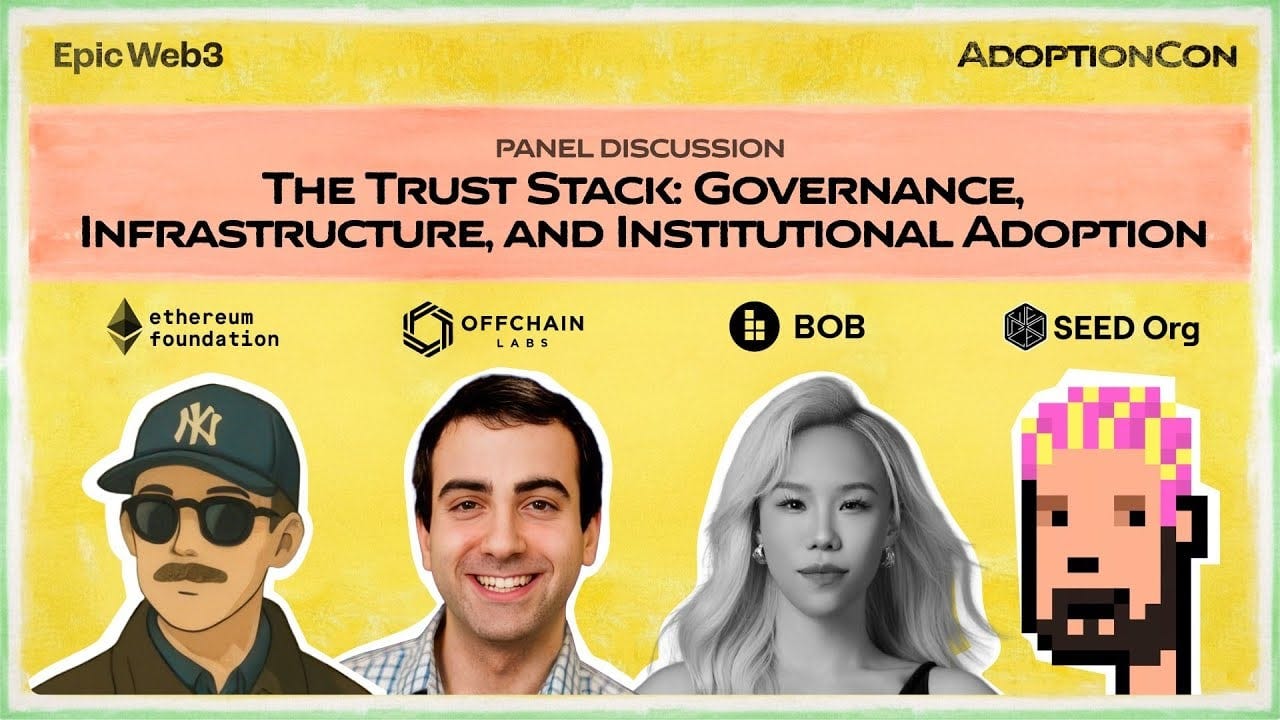
Institutional adoption isn’t primarily blocked by whether Ethereum or Bitcoin “works.” The panel’s underlying message is that the real trust bottleneck has moved up the stack: who holds keys, who operates infrastructure, who sets policies, and who controls access rails.
Even if the base layer is credibly neutral, capital often flows through custodians, staking operators, exchanges, issuers, and bridge providers. That concentrates practical power in a small set of intermediaries, and becomes a governance problem in disguise.
The trust stack therefore includes: operational trust (custody + settlement), infrastructure trust (L2 frameworks, bridges, messaging layers), and policy trust (compliance, reporting, audit).
Institutional adoption accelerates when these layers are robust, but the tradeoff is that the ecosystem can re-centralise around “default providers,” creating new chokepoints that aren’t obvious if you only look at protocol decentralization.
With speakers from:
BOB. Bitcoin-focused DeFi infra/app layer — making BTC actually usable in onchain finance (liquidity, composability, and cross-ecosystem UX).
Offchain Labs (Arbitrum). The Arbitrum team — rollup/RaaS + core L2 engineering, pushing scaling + dev stack for launching and operating Ethereum rollups.
Ethereum Foundation. Core steward of Ethereum — funds and coordinates R&D, client/protocol work, and ecosystem initiatives; also a key bridge for institutional/enterprise adoption.
Seed Org. Builder-first ecosystem shop — convenes operators/founders and helps early projects with network, distribution, and high-signal programming.
Bitcoin ↔ DeFi is the clearest example of “trust-stuck” infrastructure
The panel used Bitcoin bridging as a concrete case study: BTC holders want yield and DeFi access, but Bitcoin’s limited programmability makes trust-minimized bridging hard. In practice, many large BTC holders choose custodial or reputation-based solutions because they are operationally legible and feel safer than experimental cryptographic constructions.
When infrastructure is immature, adoption routes through social/legal trust (known custodians), even if it conflicts with the ideology of decentralization.
The “trust stuck” problem here is structural: until bridging and verification mechanisms mature (e.g., BitVM-style approaches, better trust-minimization), institutions will keep preferring intermediaries — meaning governance and risk concentrate at the bridge/custody layer, not at Bitcoin itself.
Scaling is governance infrastructure
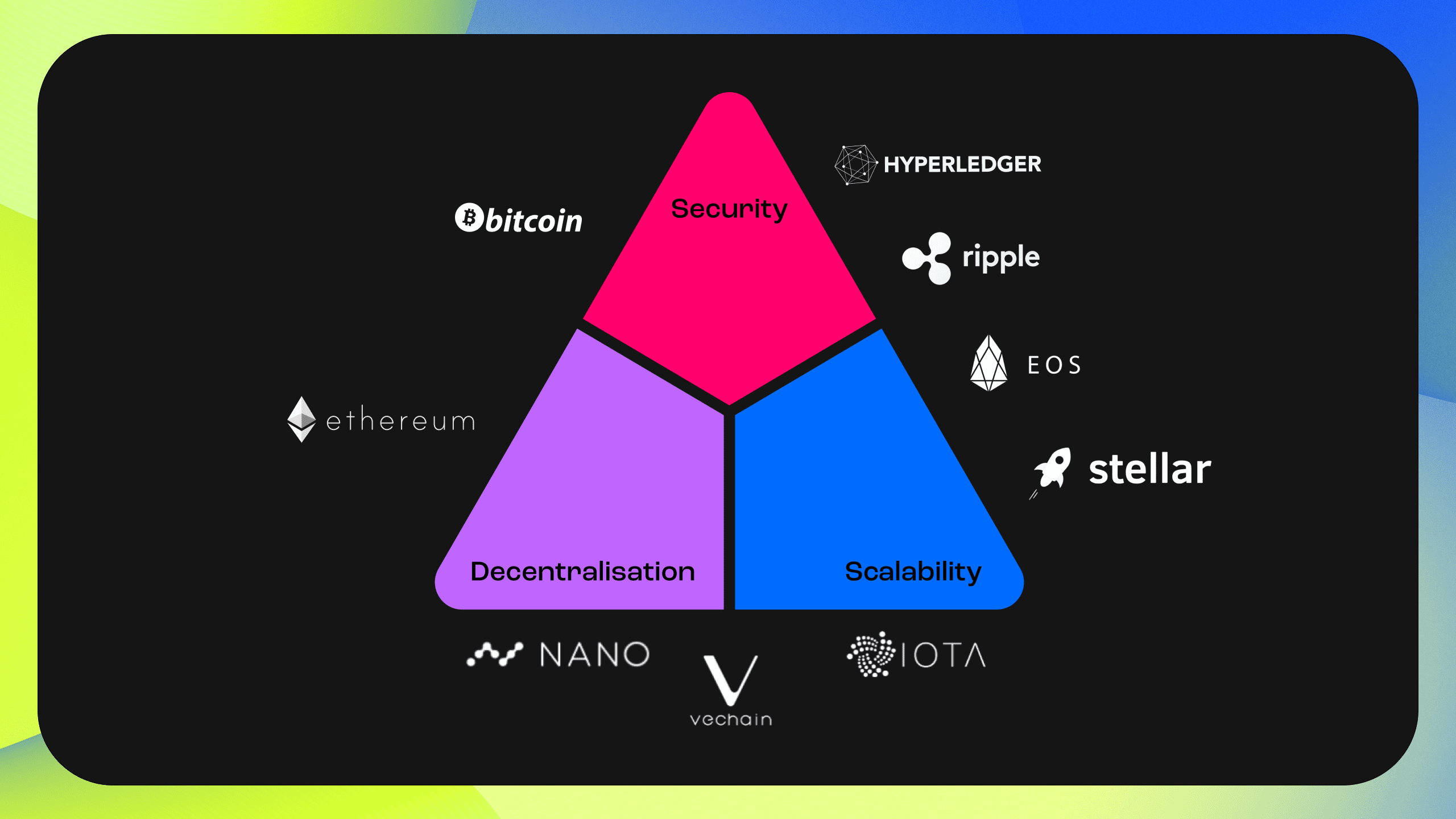
Scaling isn’t only a performance upgrade, but also a governance and inclusion mechanism.
High fees implicitly produce an oligarchy of users (whales and large accounts), because only they can transact economically. L2 scaling lowers the barrier to entry, enabling smaller accounts, emerging-market users, and payment-sized activity.
That changes the composition of “who the system serves,” which in turn changes the social and economic center of gravity of the ecosystem. Even if whales still hold much of the TVL, broader participation reduces the risk that institutions and large players are the only meaningful stakeholders.
In other words: scaling is part of the trust solution because it pushes the ecosystem toward a more representative user base — and makes on-chain finance feel less like a premium product for insiders.
Institutional adoption is moving from pilots to core products
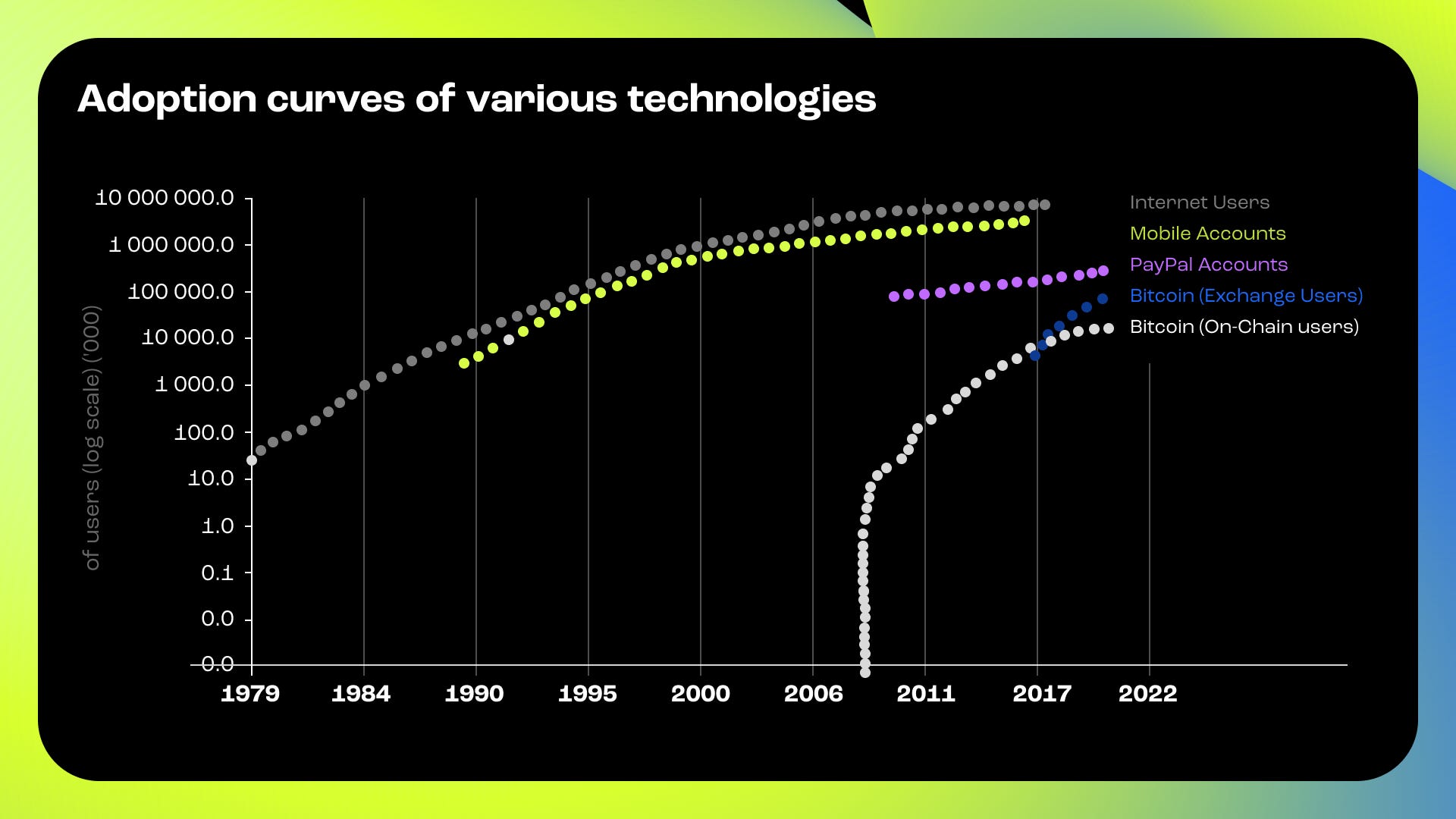
The panel framed the last 12–18 months as a transition: big institutions are no longer just running one‑off pilots, they’re starting to bake blockchain into the main products they offer real customers.
But the moment blockchain becomes “core,” institutions demand features that aren’t optional: privacy that fits regulatory realities, controllable compliance surfaces, and operational predictability. This is where “trust stuck” becomes concrete: institutions need a version of privacy that protects users from public exposure while preserving audit/compliance access; they need infrastructure that can be tailored to their risk constraints; and they need standards that reduce fragmentation between fiat and on-chain systems.
The panel’s message is that institutional adoption will not be won by ideology — it will be won by meeting these requirements without sacrificing the core neutrality and security properties that make public chains valuable in the first place.
Credible neutrality is the governance “non-negotiable” that prevents institutional capture
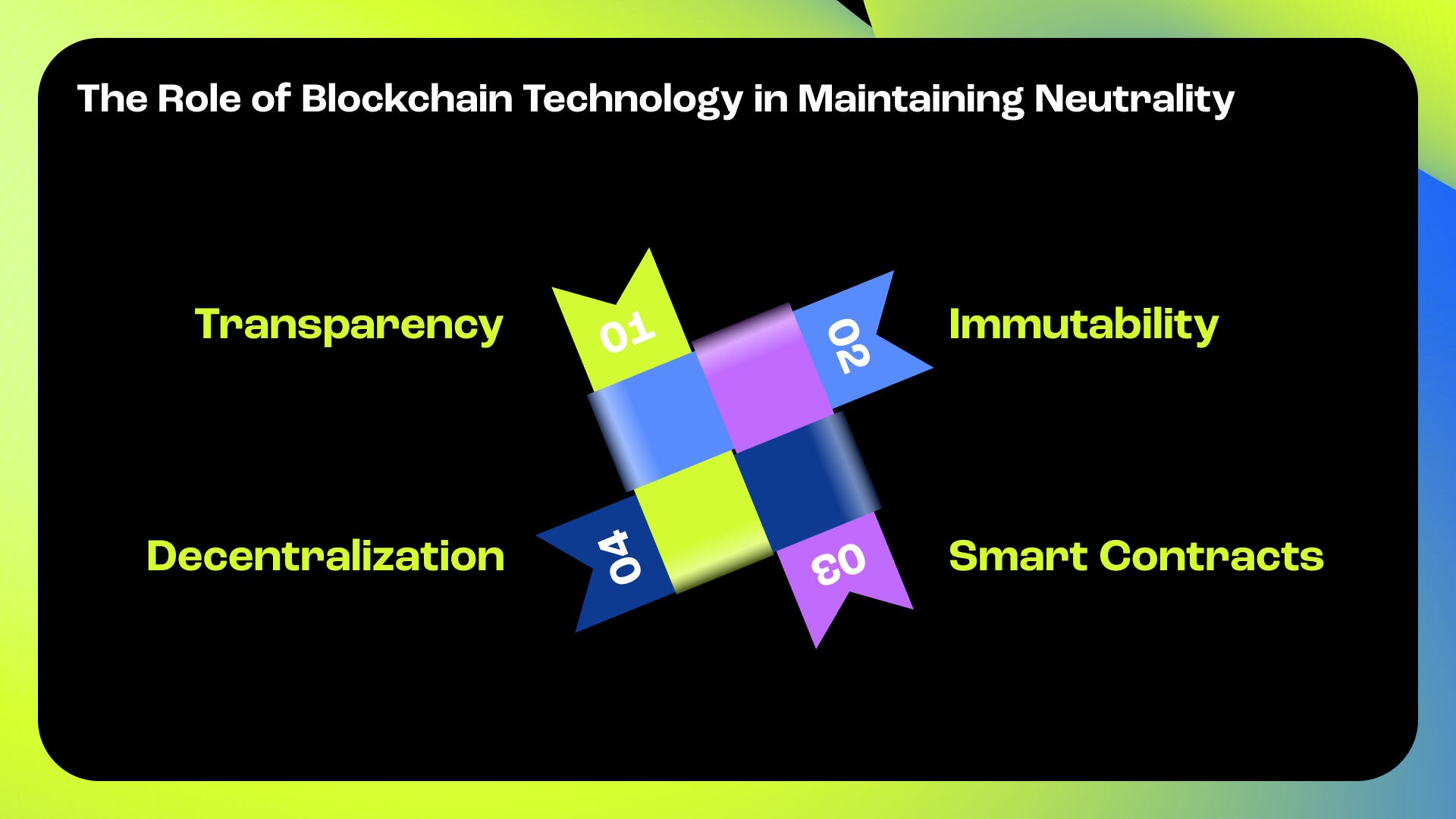
Credible neutrality is the anchor of trust: no central coordinator, no pause button, and no platform that can arbitrarily privilege certain apps or compete against its own ecosystem. This matters doubly under institutional adoption: as more capital and incumbents arrive, the risk of capture increases (explicitly or implicitly).
The claim is that Ethereum’s neutrality, and L2s that emulate it via fair access and non-preferential launches, creates a predictable arena where builders and institutions can participate without fearing “rule changes” or platform favoritism.
The “trust stuck” resolution here is governance design: if chains (or L2 operators) behave like companies, institutions may come — but innovation and openness degrade. If chains preserve neutrality, institutions can integrate while the ecosystem remains a public financial substrate rather than a corporate garden.
Watch the full version to know more about:
Why is secondary liquidity still missing for a lot of on-chain private credit / RWAs?
Will Bitcoin DeFi is still be “trust-stuck” at the bridge layer?
How is scaling becoming a geopolitical UX unlock?
🧵 What you might have missed on Twitter
Get the best alpha from Web3 Twitter, without scrolling aimlessly for hours.
Just click on the tweet to read a full version!
Web3 threats: not only smart contracts
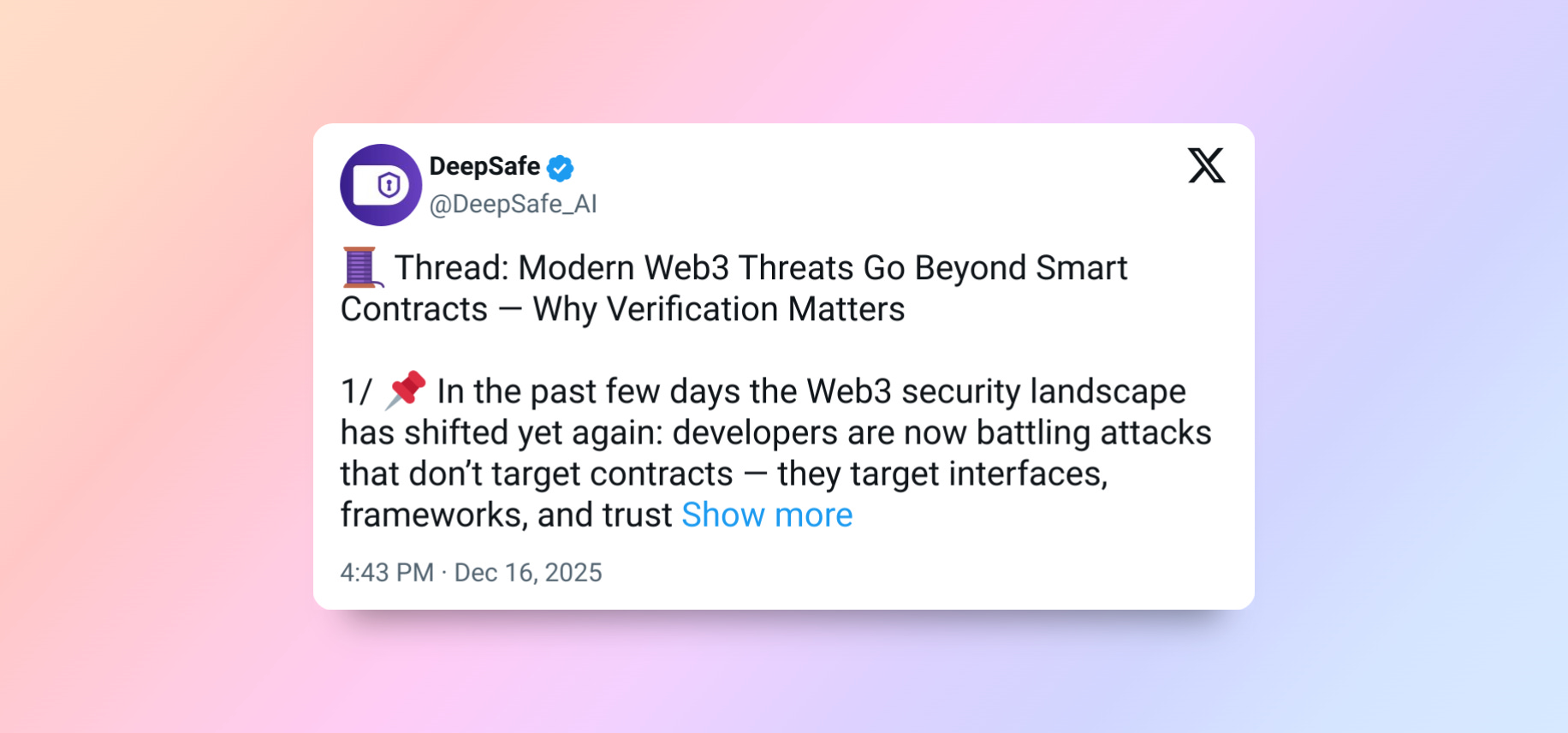
Social aspect matters too.
Guide to becoming smart contract auditor
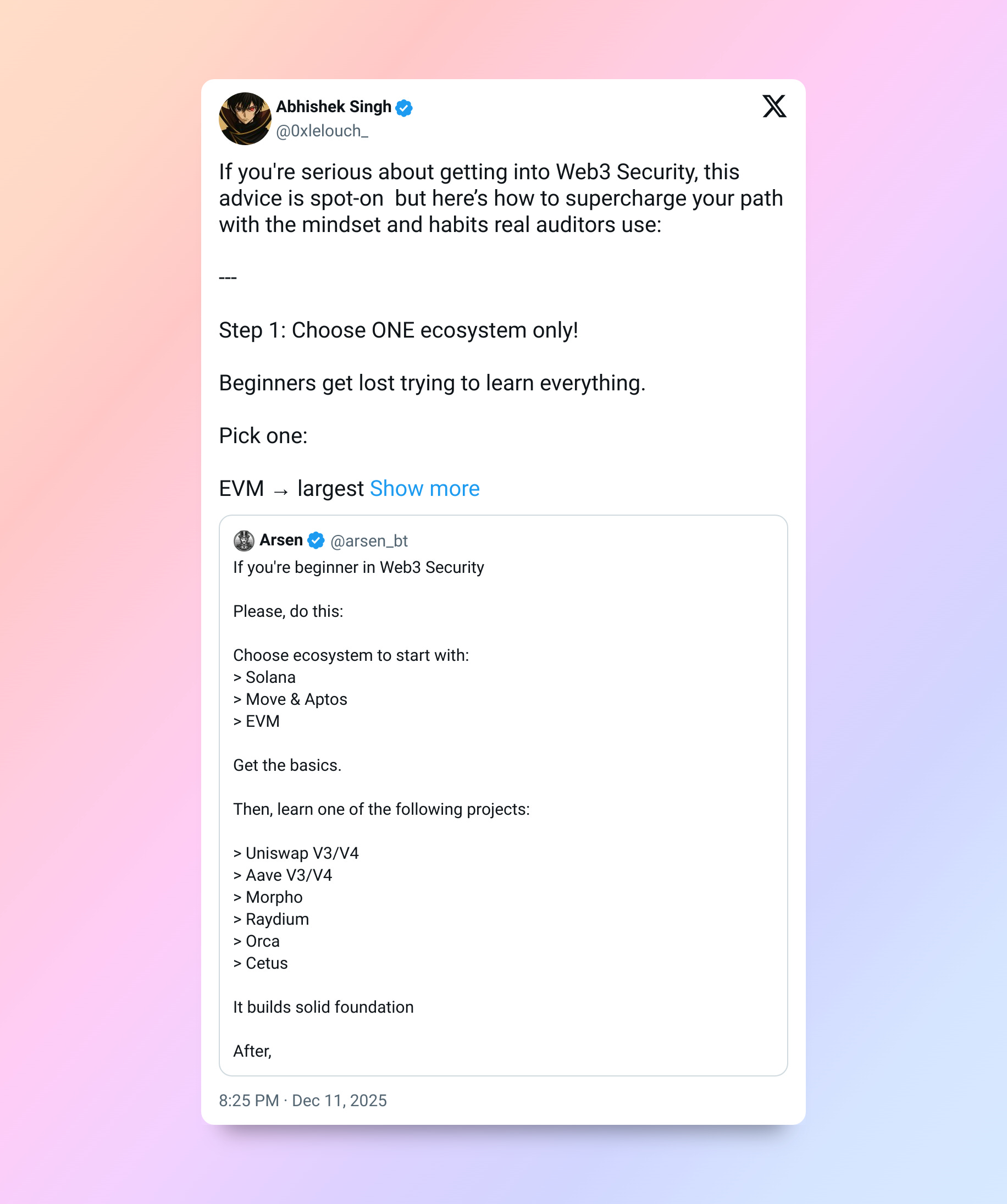
If you want to go that path
How to be a true product dev
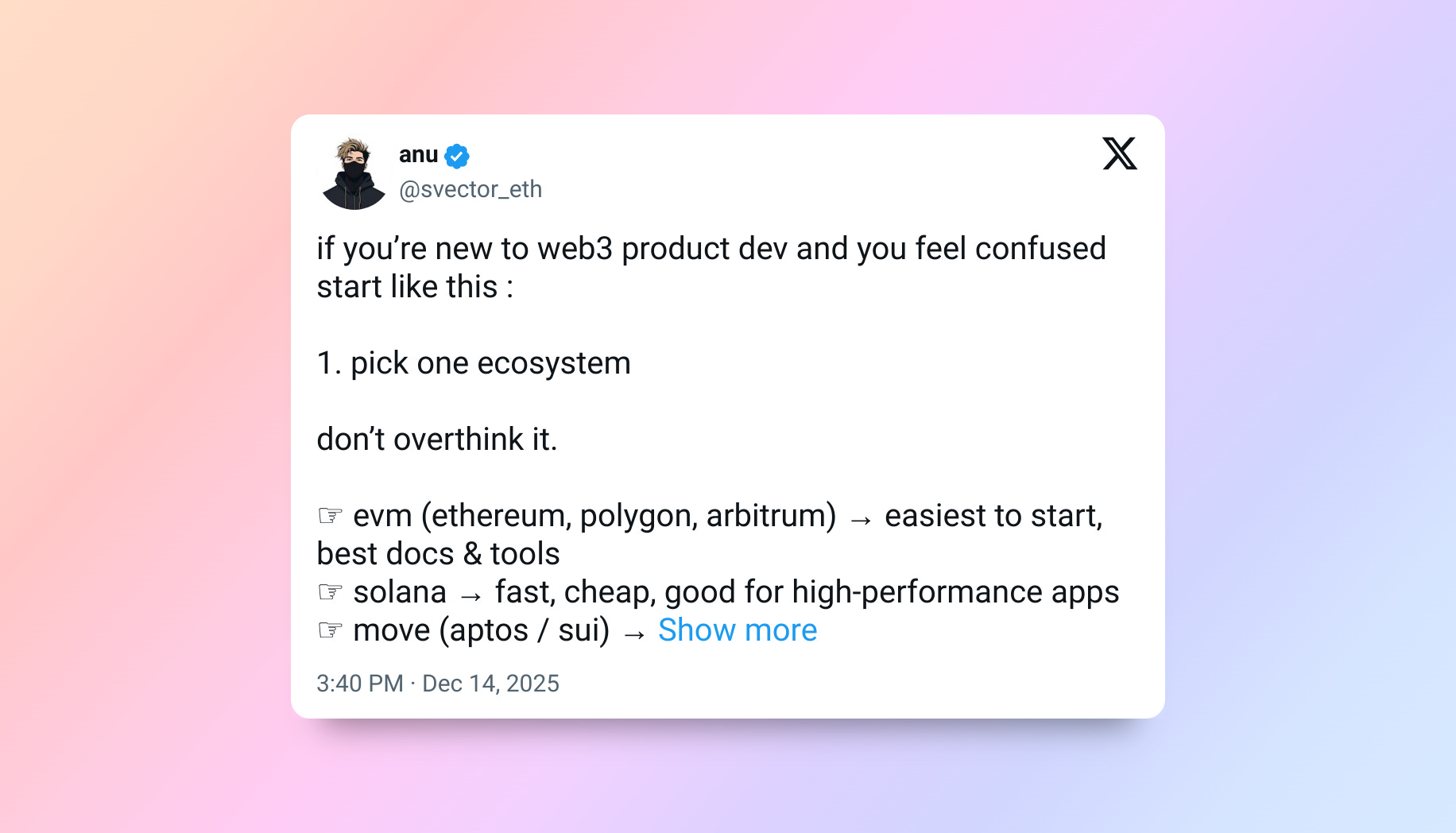
Another career path for you.
⚡ Blitz News
Superfortune launches AI-powered Mobile App, Targeting $392 Billion Metaphysics Market Beyond Web3
Ethereum Proposes ERC-8092 to Improve Privacy and Accelerate Web3 Adoption
Vitalik Buterin Calls For More Transparency On X
Trade finance platform Olea bets on AI and Web3 as it closes US$30M Series A
All right, that’s it for today! 👋 But wait…
You didn’t say “gm” on Twitter! Let’s catch up there for daily insights.
Sending growth your way,
Epic Web3
good point on institutions moving from pilots to core products, that's where the real shift happens